
A Deeper Look at Ear Wax Removal NHS-Backed Guidance
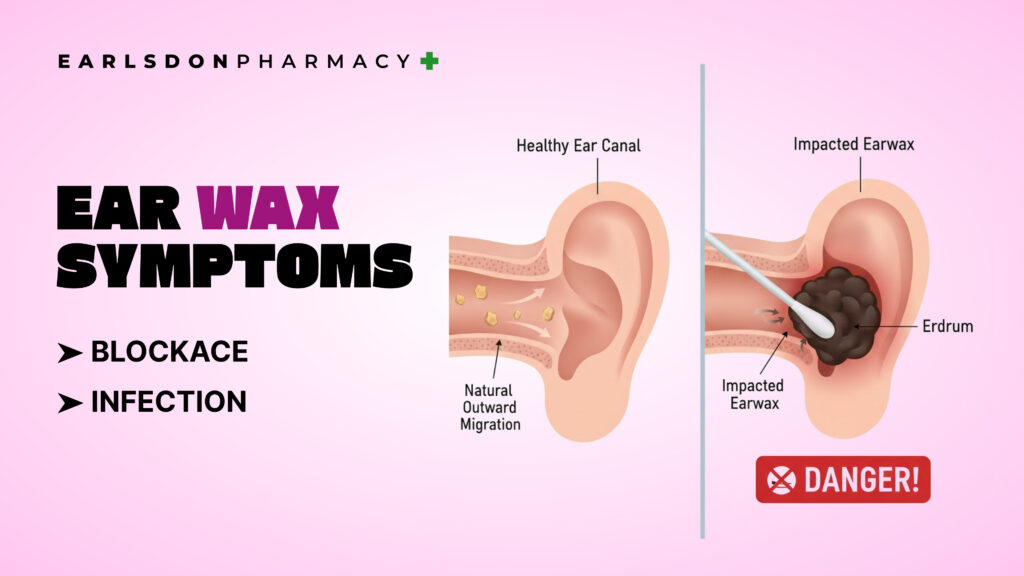
Earwax is a normal, healthy part of your body’s defense system. This natural substance, also known as cerumen, provides a protective barrier in your ear canal, trapping dust and germs. Under ideal circumstances, the ear cleans itself. The simple movements of your jaw from talking and chewing help migrate old wax out of the ear, where it dries and flakes away without you ever noticing.
However, this self-cleaning process can be disrupted. When wax builds up, it can cause a blockage that leads to discomfort, hearing issues, and other frustrating symptoms. This is when safe and effective Ear Wax Removal becomes a priority. This enhanced guide offers a more detailed exploration of the topic, drawing directly from NHS resources to provide comprehensive, trustworthy information.
Understanding the Root Causes of Earwax Buildup
Before attempting any form of Ear Wax Removal, understanding why a blockage occurs is crucial. According to NHS information, earwax is a combination of dead skin cells, hair, and secretions from glands in the ear canal. While everyone produces it, some individuals are more prone to blockages.
Several factors contribute to the need for Ear Wax Removal
Anatomical Variations
People with narrow or particularly hairy ear canals may find that wax gets trapped more easily. (NHS Source)
Age-Related Changes
As we get older, the consistency of our earwax can change. It often becomes harder and drier, which hinders its natural outward movement.
Foreign Objects
Frequent use of hearing aids, earplugs, or in-ear headphones can act as a dam, preventing wax from escaping and pushing it deeper into the canal. This is a common trigger for needing Ear Wax Removal.
Improper Cleaning Habits
A frequent culprit is the use of cotton buds. Instead of cleaning the ear, they often act like a plunger, compacting the wax into a dense plug against the eardrum. This makes professional Ear Wax Removal almost inevitable. (NHS Warnings)
Skin Conditions
Certain skin conditions that affect the scalp or the area around the ear can increase the rate of wax and skin cell production.
Key Symptoms Indicating a Blockage
A buildup of earwax can manifest in several ways. If you are experiencing any of the following, it might be time to consider a safe Ear Wax Removal method.
Hearing Loss
This is the most common symptom, often described as sounds being muffled or feeling like your ear is “plugged.”
Earache or Fullness
You might feel a dull ache or a persistent sense of pressure inside the ear.
Tinnitus
This is the perception of ringing, buzzing, or hissing sounds that aren’t coming from an external source.
Vertigo
In some cases, impacted wax can affect your balance, leading to dizziness and a feeling of sickness.
Itching or Irritation
A persistent itch deep within the ear canal can also be a sign.
For more information about symptoms and when to get help, refer to the NHS earwax build-up page.
It is vital to consult a healthcare professional if you experience sudden hearing loss or severe pain, as these could signal a different underlying condition.
The Dangers of DIY Methods to Strictly Avoid
The urge to find a quick fix for a blocked ear is understandable, but some common practices are dangerous and strongly advised against by the NHS. These methods can worsen the problem or cause serious injury.
Cotton Buds
As mentioned, these are a primary cause of impacted wax. They push the problem deeper, making Ear Wax Removal more complex and potentially damaging the eardrum. (More Details)
Ear Candles/Cones
There is no scientific evidence to support the effectiveness of ear candling for Ear Wax Removal. Instead, they pose a significant risk of burns to the face, hair, and ear canal, as well as the potential for dripping hot wax onto the eardrum.
Makeshift Tools
Never insert objects like hairpins, keys, or paperclip ends into your ear. The skin of the ear canal is incredibly delicate and can be easily scratched, leading to painful infections or eardrum perforation.
NHS-Approved At-Home Treatments
For mild cases, the NHS recommends starting with gentle, non-invasive methods to soften the wax, which often allows it to come out on its own. Patience is essential; this process can take up to two weeks.
Read the official NHS process: How to treat earwax build-up yourself
Therapeutic Oil Drops
The most frequently recommended first step for Ear Wax Removal is using softening drops.
What to use
Medical-grade olive oil or almond oil are the standard choices. Do not use almond oil if you have a nut allergy.
How to apply
Lie on your side with the blocked ear facing upward. Administer 2 to 3 drops into the ear canal.
Wait
Remain in this position for 5 to 10 minutes to allow the oil to penetrate the wax.
Repeat
Do this 3 to 4 times a day for up to 5 days. You may see lumps of wax fall out over the next two weeks.
Full technique and safety advice: NHS home advice PDF
Pharmacy-Available Solutions
Your local pharmacist can provide other types of drops for Ear Wax Removal, such as those containing sodium bicarbonate. These work to dissolve the wax but should be used according to the package directions. Never use any drops if you suspect you have a perforated eardrum. (NHS Pharmacy Guidance)
Bulb Syringing
Some pharmacies sell a small, rubber bulb syringe for home use. After softening the wax for several days, you can use this device to gently flush the ear with warm (not hot) water. This form of Ear Wax Removal should only be attempted if you have no history of eardrum issues or ear surgery.
Learn more about safe bulb syringing here: NHS PDF on Self-Treatment and Bulb Syringe Use
When to Seek Professional Ear Wax Removal
If home treatments do not resolve the issue after a week or your symptoms are severe, professional intervention is necessary. Many GP surgeries no longer offer this service as standard, but they can refer you, or you can seek treatment from a private audiologist.
For advice on when to see a healthcare professional: NHS Earwax Build-Up
Microsuction
Considered the gold standard for Ear Wax Removal, microsuction is a dry and highly precise method.
The Process
A clinician uses a high-powered microscope to get a clear view of the ear canal. A small, medical-grade suction device is then used to gently vacuum out the wax.
The Benefits
It is safe for individuals with a history of eardrum perforation or ear infections because no water is used. The direct visualization makes it an extremely safe and effective method for Ear Wax Removal.
More on removal by medical professionals: Information on Ear Wax (CUH NHS)
Irrigation (Modern Syringing)
This is an updated version of traditional ear syringing.
The Process
An electronic machine pumps a controlled, targeted stream of warm water into the ear to flush out the softened wax.
The Benefits
This technique is very effective for dislodging soft wax plugs. However, this type of Ear Wax Removal is not suitable for everyone, particularly those with eardrum perforations.
Manual Instrument Removal
In some situations, a specialist might opt for manual Ear Wax Removal.
The Process
Using fine, specialized instruments like a Jobson Horne probe or micro-forceps, the practitioner manually extracts the wax under direct observation with a microscope.
The Benefits
This is particularly useful for hard wax located near the entrance of the ear canal that is difficult to suction.
Further professional details: NHS Ear Wax Patient Leaflet PDF
Long-Term Prevention Strategies
After a successful Ear Wax Removal, you can take steps to prevent significant buildup in the future.
Minimal Interference
The best approach is often to leave your ears alone and let them self-clean. (NHS Preventing Earwax Build-Up)
Maintenance Drops
If you are prone to buildup, using olive oil drops once or twice a week can help keep the wax soft and mobile. This reduces the chances you’ll need intensive Ear Wax Removal later on.
Regular Check-Ups
If you use hearing aids, schedule regular appointments with an audiologist to have your ears checked for wax.
Your Next Steps
Dealing with blocked ears can be disruptive, but safe solutions are readily available. The key takeaway from all NHS guidance on Ear Wax Removal is to prioritize safety. Start with gentle home remedies like oil drops, and never insert objects into your ears. If the problem persists, professional methods like microsuction offer a definitive and secure solution.
By following this expert-backed advice, you can manage earwax effectively and protect your hearing health for years to come. If you’re currently experiencing symptoms, consider booking a consultation for professional Ear Wax Removal.
