
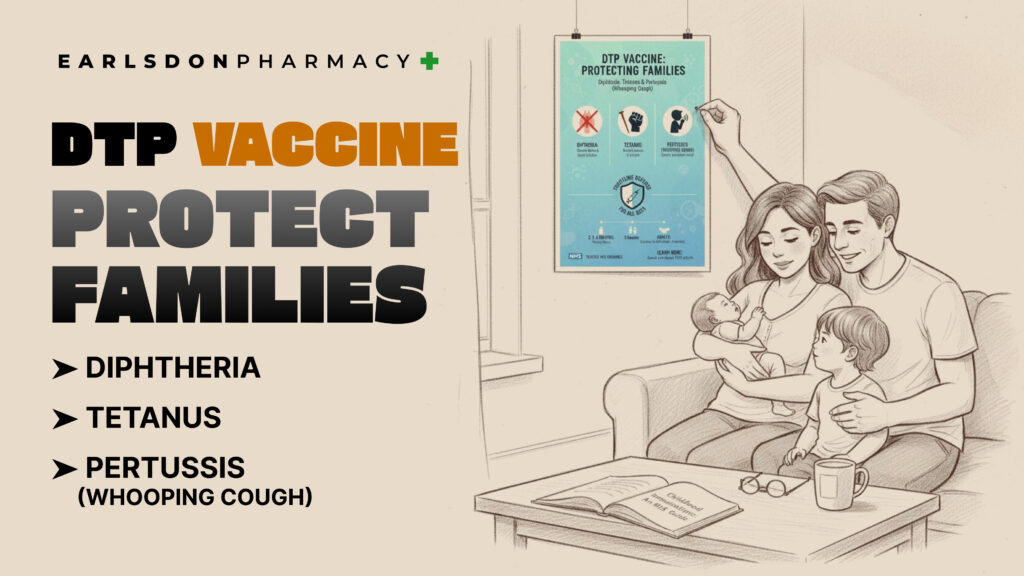
DTP Vaccine Importance Explained with NHS Supported Insights
Navigating the world of childhood immunizations can feel complex, but understanding the role of each vaccine is a powerful tool for protecting your family. Among the most crucial is the DTP Vaccine, which stands as a frontline defense against three dangerous diseases: diphtheria, tetanus, and pertussis (whooping cough). While these illnesses might seem like distant threats, they persist, and vaccination is our most effective strategy against them.
This guide provides a detailed look at the DTP Vaccine, drawing directly from the trusted information and schedules provided by the National Health Service (NHS). We will explore what the vaccine is, why it’s a cornerstone of public health, and how it protects individuals at every stage of life.
Decoding the DTP Vaccine A Three-Pronged Defense
The DTP Vaccine is a combination immunization that stimulates the body’s immune system to fight off three specific bacterial infections. In the UK, the components of this vaccine are most commonly administered to infants as part of the 6-in-1 vaccine. This combination approach is highly efficient, minimizing the number of injections a baby needs while delivering robust protection.
The vaccine works by introducing inactivated toxins or parts of the bacteria to the body. This process does not cause the illness but rather teaches the immune system to recognize and mount a defense against these pathogens, creating long-term immunity. Understanding the diseases it prevents highlights the indispensable nature of the DTP Vaccine.
Diphtheria
A severe bacterial infection that targets the nose and throat. It can form a thick membrane, obstructing breathing and potentially leading to heart problems, nerve damage, and paralysis. Before the widespread use of the DTP Vaccine, diphtheria was a leading cause of childhood death.
Tetanus
Caused by bacteria found in soil and dust, tetanus enters the body through wounds. It produces a toxin that leads to excruciating muscle spasms, most famously “lockjaw,” which makes opening the mouth or swallowing impossible. Tetanus is not transmitted person-to-person, making personal vaccination the only reliable protection.
Pertussis (Whooping Cough)
A highly contagious respiratory illness characterized by severe coughing fits. These fits often end with a high-pitched “whoop” sound as the person gasps for air. In infants, pertussis is particularly dangerous and can lead to hospitalization, pneumonia, seizures, and even death.
NHS Vaccination Schedule A Timeline for Protection
The NHS has a carefully structured vaccination schedule to ensure children receive protection when they are most vulnerable. The DTP Vaccine components are a key part of this schedule from infancy through the teenage years.
According to the official NHS vaccination schedule, the initial doses are given as part of the 6-in-1 vaccine at
✦ 8 weeks
✦ 12 weeks
✦ 16 weeks
This primary course builds a strong foundation of immunity. However, protection can wane over time, making boosters essential. The NHS recommends further boosters that include DTP Vaccine protection:
4-in-1 Pre-school Booster
Given at 3 years and 4 months, this reinforces immunity against diphtheria, tetanus, pertussis, and polio.
3-in-1 Teenage Booster (Td/IPV)
Administered around age 14, this booster maintains protection against tetanus, diphtheria, and polio.
Strict adherence to this schedule is the most effective way to ensure lifelong defense against these preventable diseases. For more information, you can review the full NHS vaccinations and when to have them guide.
Special Focus Pertussis Protection During Pregnancy
The NHS places special emphasis on protecting newborns from whooping cough. Because infants cannot receive their first DTP Vaccine until they are 8 weeks old, they are highly susceptible during their first two months of life.
To bridge this gap, the NHS strongly recommends the whooping cough vaccine for pregnant women, typically offered between 16 and 32 weeks of pregnancy. This vaccination passes protective antibodies to the baby through the placenta. These maternal antibodies provide crucial passive immunity that protects the infant from birth until they can receive their own immunizations. This measure has been shown to be highly effective in preventing severe whooping cough cases in young babies.
Community Protection and the Power of Herd Immunity
The success of the DTP Vaccine program extends beyond individual protection; it is vital for community health. When a vast majority of the population is immunized, it creates “herd immunity.” This significantly reduces the circulation of bacteria, providing an indirect shield for the small number of people who cannot be vaccinated. This includes infants too young for their first dose, individuals with severely compromised immune systems, or those who have had a rare, severe reaction to a previous vaccine dose.
Outbreaks of diseases like pertussis often coincide with dips in DTP Vaccine uptake. This demonstrates a direct link between vaccination rates and community safety. By ensuring our families are vaccinated, we contribute to a collective defense that keeps these dangerous diseases at bay.
Safety, Side Effects, and Addressing Concerns
The safety profile of the DTP Vaccine is well-established through decades of use and rigorous monitoring. Like all medicines, it can cause side effects, but the NHS confirms they are typically mild and temporary.
Common side effects associated with the 6-in-1 vaccine include
✦ Redness, swelling, or tenderness at the injection site.
✦ Mild fever and irritability.
✦ Temporary loss of appetite.
Serious allergic reactions are extremely rare. The healthcare professionals who administer vaccines are trained to manage such events immediately. It is critical to weigh these minor, temporary risks against the potentially devastating consequences of contracting diphtheria, tetanus, or pertussis. You can find detailed information about the components in the 6-in-1 vaccine guide on the NHS website.
Catching Up on Missed Vaccinations
The NHS emphasizes that it is almost never too late to catch up on missed vaccinations. If you or your child has missed a dose of the DTP Vaccine or any other immunization, you do not need to restart the entire course. Contact your GP surgery to schedule an appointment to get back on track. Completing the full schedule is the best way to ensure full and lasting immunity.
The persistence of whooping cough outbreaks serves as a stark reminder that these diseases have not been eradicated. You can learn more about its symptoms and risks from the NHS resource on whooping cough.
Conclusion A Lifelong Commitment to Health
The DTP Vaccine is a testament to the power of modern medicine in preventing disease and saving lives. From the comprehensive 6-in-1 shot for infants to targeted boosters for teens and pregnant women, this vaccine is a pillar of the UK’s public health strategy. The guidance provided by the NHS makes it clear: timely vaccination is the single most important action you can take to protect your family and community.
By following the recommended schedule for the DTP Vaccine, you are not just preventing illness; you are contributing to a healthier future for everyone. Trust the extensive evidence, consult with your healthcare provider, and make the DTP Vaccine a priority.
