
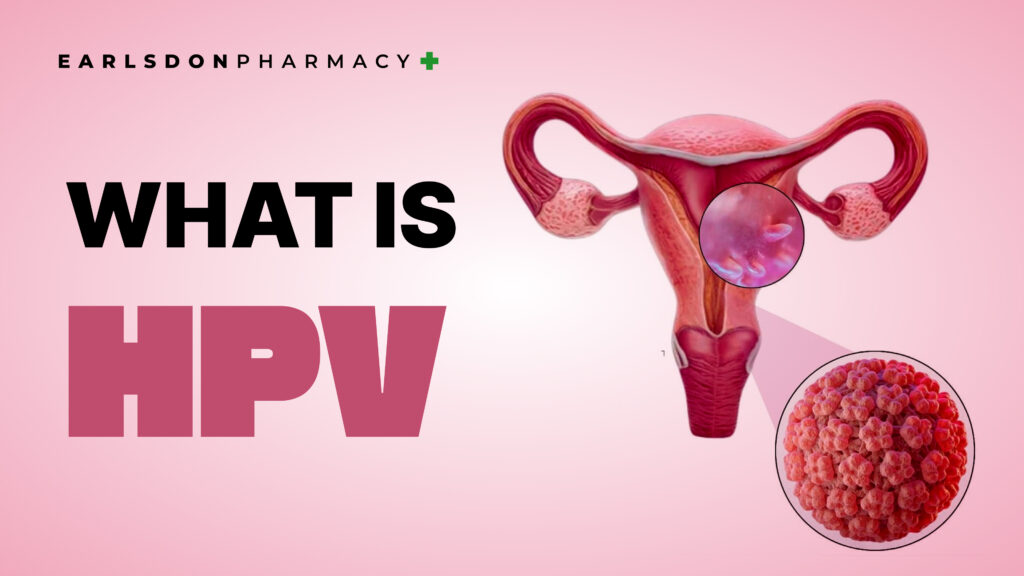
What is HPV?
HPV (human papillomavirus) is a common infection affecting the skin and moist linings of the body. Most people encounter it at some point in life, and the immune system usually clears it naturally within 1-2 years. There are over 100 types of HPV low-risk strains (types 6, 11) cause genital warts, while high-risk strains (types 16, 18) can, over time, lead to cervical, mouth, throat, or anal cancer. Most cases show no symptoms, which is why regular screening is so important.
HPV spreads mainly through skin-to-skin contact during sexual activity; condoms lower the risk but don’t offer full protection. The NHS offers a free vaccine to Year 8 students (ages 12-13), with catch-up doses available up to age 25. The vaccine has been shown to reduce cervical cancer rates by around 90%. Warts can be treated with creams or freezing, though there’s currently no direct cure for the HPV infection itself.
Types of HPV Low-Risk vs High-Risk
There are more than 100 different types of HPV, but they are usually grouped into two categories based on the health risks they carry.
Low-Risk Strains
Types 6 and 11 are considered low-risk. These are the most common cause of genital warts. They do not lead to cancer, but they can still be uncomfortable and may need treatment to remove them.
High-Risk Strains
Types 16 and 18 are known as high-risk strains. Over time, these can cause changes in the cells of the body that may develop into cancer, most often cervical cancer, but also cancers of the mouth, throat, anus, and genital area. Having a high-risk strain does not mean you will get cancer. Most infections still clear up naturally, which is why regular screening is so important.
Symptoms and Warning Signs
One of the tricky things about HPV is that it usually causes no symptoms at all. Most people carry the virus without ever knowing it, and it often goes away on its own before it causes any problems.
When symptoms do appear, the most common sign is genital warts. These look like small, painless bumps or growths, sometimes flat and sometimes raised like a tiny cauliflower. They can appear weeks, months, or even years after you were first exposed to the virus, so it is not always easy to know when or how you caught it. High-risk strains of HPV usually show no warning signs at all until they have already caused changes in the body, which is why screening tests matter more than waiting for symptoms.
How is HPV Passed On?
HPV spreads mainly through skin-to-skin contact during sexual activity, including vaginal, anal, and oral sex. You do not need to have penetrative sex to catch it, since close genital contact alone can pass the virus on.
A common myth is that condoms give full protection. Condoms do reduce the risk of catching HPV, but they do not cover all the skin in the genital area, so some risk of transmission still remains. This is why vaccination and regular screening are just as important as safer sex practices.
Screening and Diagnosis
Since HPV rarely causes symptoms, screening is the main way it gets picked up early. In the UK, this is mainly done through two checks:
Cervical screening, often called a smear test, which looks at cells from the cervix for any early changes
HPV testing, which checks directly for the presence of the virus itself
Screening is important even if you have already had the HPV vaccine, because the vaccine does not protect against every type of HPV. Regular screening helps catch any abnormal cell changes early, long before they could ever develop into cancer, giving doctors the chance to treat them in good time.
HPV Vaccination Your Best Protection
Getting vaccinated is the most effective way to protect yourself against the HPV types that cause most cases of cervical cancer and genital warts. The vaccine works best when it is given before a person becomes sexually active, since this is when it offers the strongest protection.
Who Can Get Vaccinated NHS and Private Options
On the NHS, the HPV vaccine is offered for free to all children in school year 8, usually around age 12 to 13. If someone misses this, a catch-up vaccine is still available for free up until their 25th birthday. Men who have sex with men can also get the vaccine for free up to age 45 through sexual health or HIV clinics.
For adults over 25 who do not fall into these free NHS groups, private HPV vaccination is available. This gives extra protection to anyone who missed the NHS programme or who wants added peace of mind later in life.
How Well Does the Vaccine Work?
Research from Cancer Research UK found that cervical cancer rates dropped by almost 90 percent in women who were offered the vaccine at age 12 to 13. The vaccine also protects strongly against genital warts, since it targets the HPV types responsible for most cases. These results show just how powerful the vaccine can be, especially when given early.
Treatment Options
There is no medicine that cures HPV itself, but the problems it can cause are very treatable. Common treatment options include:
Topical creams applied directly to genital warts to help clear them
Freezing or minor in-clinic procedures to remove stubborn warts
Close monitoring of any abnormal cervical cell changes found during screening
Treatment of abnormal cells where needed, often stopping any risk of cancer before it can develop
Most people who receive treatment go on to have no further problems.
Book Your Private HPV Vaccine at Earlsdon Pharmacy, Coventry
If you are looking for a quick, confidential, and convenient way to get protected, Earlsdon Pharmacy offers private HPV vaccination right here in Coventry. Our friendly team can talk you through your options and get you booked in without long waits or referrals. You can book online today or call us to arrange a consultation at a time that suits you.
Missed your NHS HPV vaccine or over 25? Book your private HPV vaccination today at Earlsdon Pharmacy, Coventry. Contact us or visit our clinic for a confidential consultation.
